What Is a Credit Score?
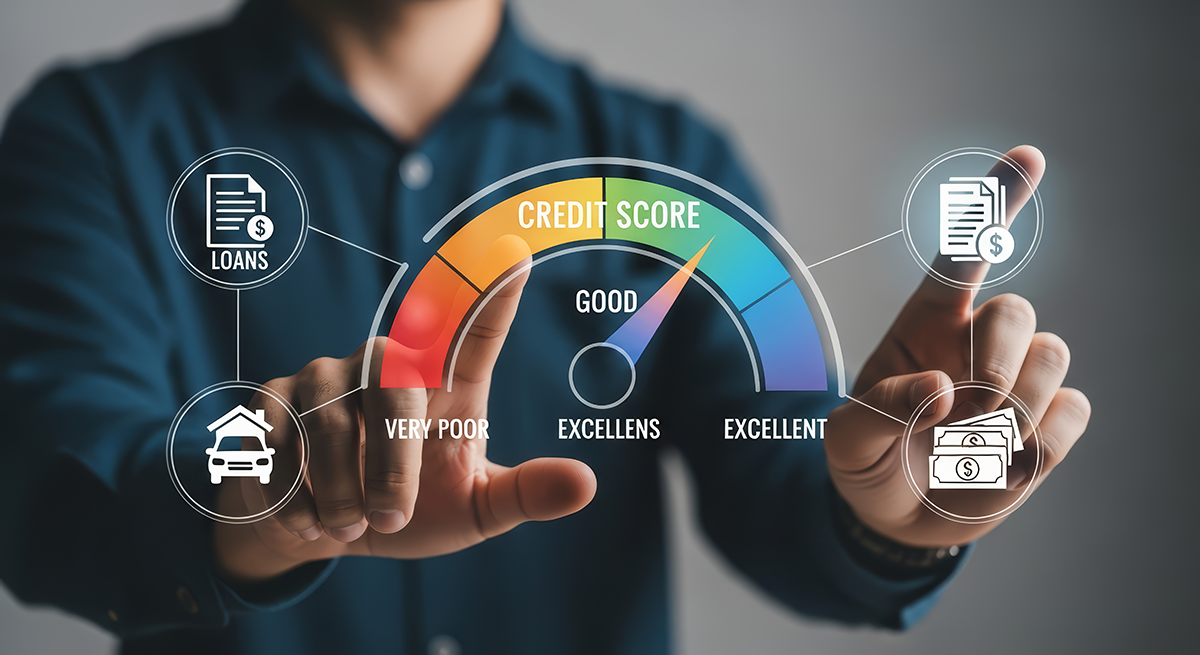
A credit score is a three-digit number that represents how creditworthy you appear to lenders. It is calculated by Credit Reference Agencies (CRAs) using information from your credit report, and it influences whether you're approved for credit and at what interest rate.
In the UK, there are three main Credit Reference Agencies, each with their own scoring system. A "good" score on one may differ from another. What matters most is the underlying data on your credit file, not the number itself.
Experian Credit Score Bands
Check Your Score - Free Tools
You can check your credit score for free using any of these services. Checking your own score never affects it. This is called a soft search.
What Affects Your Credit Score?
Your credit score is calculated from several key factors. Understanding each one gives you a clear roadmap for improvement. You can target the areas with the biggest impact first.
Payment History
Highest ImpactThe single most important factor, missing or late payments, even by a few days, are recorded on your file and can stay there for up to six years. Consistent, on-time payments are the foundation of a strong credit score. Setting up direct debits for at least the minimum payment removes the risk of accidental missed payments entirely.
Credit Utilisation
Highest ImpactThis is the percentage of your available credit that you're currently using. If your credit card limit is £2,000 and your balance is £1,600, your utilisation is 80%, which signals financial stress to lenders. Experts recommend keeping utilisation below 30%, and ideally below 10%, for the best scores. This applies to each individual card as well as your overall total.
Length of Credit History
Medium ImpactThe longer your history of managing credit responsibly, the better. Lenders want to see a track record. This is why closing your oldest credit card account can actually hurt your score. It shortens your average account age. Keep older accounts open and occasionally active, even if you rarely use them.
New Credit Applications
Medium ImpactEvery time you apply for credit, a hard search is recorded on your file. Multiple hard searches in a short period suggest to lenders that you're desperately seeking credit, a red flag. Space out applications by at least 3–6 months where possible, and use eligibility checkers (soft searches) before applying to avoid unnecessary footprints.
Types of Credit
Lower ImpactHaving a sensible mix of credit types, such as a credit card, a personal loan and a mobile phone contract can demonstrate that you can manage different forms of borrowing responsibly. However, this is the least significant factor; never take on credit you don't need just to diversify your mix.
Electoral Roll & Public Records
Medium ImpactBeing registered on the electoral roll at your current address confirms your identity and stability to lenders. This is one of the quickest and simplest ways to improve your score. Public records such as County Court Judgements (CCJs), Individual Voluntary Arrangements (IVAs), and bankruptcies have a severe negative impact and remain on your file for six years.
12 Proven Ways to Improve Your Credit Score
These are the most effective, actionable steps you can take right now. We've ranked them by impact. Start at the top and work your way down.
Quick Wins - Do These First
Register on the Electoral Roll
Register to vote at your current address at gov.uk/register-to-vote. It takes five minutes and can add points to your score within a few weeks. If you're not eligible to vote in the UK (e.g. you're an overseas national), you can add a notice of correction to your file explaining this.
Check Your Credit Report for Errors
Research suggests that a significant proportion of credit reports contain errors. Check all three of your reports (Experian, ClearScore for Equifax, Credit Karma for TransUnion) for incorrect personal details, accounts you don't recognise, or late payments that were actually made on time. Dispute any errors directly with the CRA. Corrections can lead to an immediate score improvement.
Set Up Direct Debits for All Credit Commitments
A single missed payment can drop your score significantly and stay on your file for up to six years. Set up direct debits for at least the minimum payment on all credit cards, loans, and buy-now-pay-later accounts. This removes the risk of forgetting. You can always pay more manually on top.
Remove Financial Associations with Others
If you've had a joint account, loan, or mortgage with someone who has a poor credit history, you may be "financially associated" with them, meaning their bad credit can affect your score. If the relationship has ended, apply for a Notice of Disassociation from each CRA to sever the link.
Medium-Term Strategies — 1 to 6 Months
Reduce Your Credit Utilisation
Pay down your credit card balances to bring utilisation below 30% on each card and overall. If you can't pay them all down at once, prioritise the card with the highest utilisation first. An alternative approach is to request a credit limit increase. If granted, this reduces your utilisation percentage without you spending less (though be disciplined about not increasing your balance).
Use a Credit Builder Card Responsibly
If you have a limited or damaged credit history, a credit builder card is specifically designed to help. You'll typically receive a low credit limit (£200–£500) and a higher interest rate. The key is to make one or two small purchases per month and pay the full balance off every month before the due date. Never carry a balance as the interest rates are high. Providers include Capital One, Vanquis, and Aqua.
Stop Making Multiple Credit Applications
Each hard search from a credit application stays on your file for 12 months and is visible to other lenders. A cluster of applications in a short period looks like financial desperation. Use soft search eligibility checkers before applying. Services like MoneySavingExpert's Eligibility Calculator and most lenders' own pre-application tools let you see your chances without impacting your score.
Pay More Than the Minimum Payment
Only making minimum payments on credit cards is a red flag on your file. This can signal that you're struggling to repay your debt. Paying a meaningful amount above the minimum each month demonstrates financial responsibility and reduces your balance faster, bringing your utilisation down. Even paying £20–£30 above the minimum can make a difference over time.
Long-Term Habits - 6 Months to 2+ Years
Keep Old Accounts Open
The age of your credit accounts contributes to your score. A longer history shows stability. Even if you no longer use an old credit card, keep it open and make one small purchase every few months to keep it active. Closing it could shorten your credit history and increase your overall utilisation ratio. Check there are no annual fees first. Some old cards are free to keep open.
Add Rent & Utility Payments to Your File
Millions of renters in the UK miss out on credit score benefits because rent payments aren't automatically reported. Services like CreditLadder and Canopy report your rent payments to one or more CRAs, turning a payment you're making anyway into positive credit history. Some current accounts also report utility payments.
Use Experian Boost
Experian Boost is a free feature that connects to your bank account (read-only) and identifies regular payments such as Netflix, Spotify, council tax, and savings contributions that aren't normally reported to Experian. These are added to your Experian file as positive data points. Users report an average increase of around 101 points on the Experian scale, though results vary.
Be Patient, Time Is Your Greatest Asset
Negative markers such as missed payments, defaults, and CCJs automatically drop off your credit file after six years. As these markers age, their impact on your score diminishes. Bankruptcies are also removed after six years. While you can't speed up time, you can ensure that the most recent 12–24 months of your credit history are spotless, which makes the most positive difference to how lenders assess you.
How Long Does It Take to Improve?
There is no overnight fix for a credit score and you should be very cautious of any company claiming otherwise. Here's a realistic timeline of what to expect when you follow the right steps consistently.
Within 1–4 Weeks
Register on the electoral roll. Correct errors on your credit file. Remove financial associations with ex-partners. These administrative changes update quickly and can produce immediate score improvements.
1–3 Months
Hard searches from recent credit applications begin to have less impact. Reduced credit utilisation will start to be reflected as card balances are paid down. Experian Boost changes show almost immediately after connecting your account.
3–6 Months
Consistent on-time payments build a visible track record. A credit builder card used responsibly for 3+ months begins to add meaningful positive history. Rent reporting services will have accumulated several months of positive data.
6–12 Months
Significant improvement possible for those with limited history. Credit builder card history becomes substantial. Hard searches from applications are approaching the 12-month mark and reducing in impact.
1–2 Years
For those rebuilding after defaults or missed payments, the 12–24 month mark is when significant lenders begin to view you more favourably again, particularly if recent history is clean and consistent.
6 Years
All negative markers, including CCJs, defaults, IVAs and bankruptcies are automatically removed from your file. A completely clean slate becomes achievable for those who have consistently managed their finances responsibly in the intervening years.
Understanding Your Credit Report
Your credit report is more detailed than your score, it's the underlying document that lenders actually read. It contains six years of financial history and is worth reviewing carefully at least once a year.
What's on your credit report?
Your Right to See Your Report For Free
Under UK law (the Data Protection Act 2018), you are entitled to a free copy of your credit report from each Credit Reference Agency. You do not need to pay for a subscription to access this information. The following services provide free access:
Your Credit Score & Borrowing
Understanding the relationship between your credit score and borrowing helps you make smarter decisions about when and how to apply for credit.
What a Good Score Gets You
- →Access to 0% purchase credit cards
- →Lower mortgage interest rates
- →Higher loan amounts at lower APRs
- →Better car finance deals
- →Easier rental applications
- →Lower mobile phone contract costs
What a Poor Score Can Mean
- →Declined for mainstream credit
- →Much higher interest rates on loans
- →Smaller credit limits offered
- →Difficulty renting property
- →Higher utility deposits required
- →Some employers may check credit
Common Credit Score Myths Debunked
Misinformation about credit scores is widespread. Here are the most common myths and the truth behind them.
"Checking your own credit score damages it"
False. Checking your own score is a soft search and has absolutely no impact on your credit file. You can check as often as you like. Only hard searches from credit applications affect your score.
"There is a credit blacklist"
False. There is no such thing as a credit blacklist. Lenders use your credit report data and their own internal criteria to make decisions. Being declined by one lender doesn't mean all lenders will decline you, each uses a different scoring model.
"Closing unused credit cards always improves your score"
Often false. Closing a credit card can increase your utilisation ratio and shorten your credit history, both of which can hurt your score. Unless the card has a high annual fee or you're tempted to overspend, it's usually better to keep it open and occasionally use it for small purchases.
"Your salary affects your credit score"
False. Your income is not recorded on your credit report and does not directly affect your credit score. It may influence a lender's affordability assessment, but it has no bearing on the score itself. Someone earning £20,000 can have a better credit score than someone earning £100,000.
"Being in a relationship with someone affects your score"
False, unless you have joint finances. Simply being in a relationship, married, or cohabiting has no effect on your credit score. A financial association is only created when you take out a joint financial product (like a joint bank account or joint loan). Marriage alone does not link your credit files.
"You need to carry a balance on your credit card to build credit"
False. Paying your balance in full each month is the best approach. Carrying a balance costs you interest and increases your utilisation. The credit activity that counts positively is making purchases and paying on time, not paying interest.
Trusted Resources
These official and charity-backed resources provide free, authoritative information about credit scores, credit files, and financial wellbeing in the UK.
Frequently Asked Questions
Answers to the most common questions about credit scores in the UK